Find Verified
Tanzania Local Tour Operators
Search certified local tour operators recognized by TTB & BRELA for ethical, authentic safari adventures.
Your Gateway to Authentic &
Certified Tanzania Operators
The Tanzania Local Tour Operators (TLTO) stands as a cornerstone within Tanzania's tourism industry, serving as the official trade association for over 200 certified local tour operators.
Every member is formally vetted and committed to our rigorous Code of Conduct, ensuring supreme standards of safety, fair employment, and sustainable conservation. Officially recognized by the Tanzania Tourism Board (TTB) and Business Registration Authority (BRELA), TLTO gives travelers the confidence to book directly with verified local experts.
Upcoming Safari & Trade Events

Verified & Licensed Tour Operators



Explore Tanzania Destinations
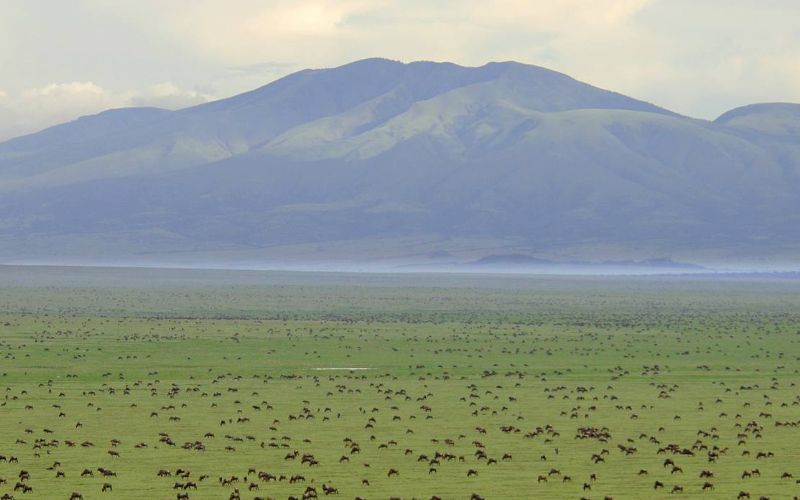
Covering an area of 14763 sq km, Serengeti National Park is the largest national park in Tanzania. The park is located about 320 km north-west of Arusha, lying in a high plateau between the Ngorongoro highlands and the Kenyan-Tanzanian border, and extending almost to Lake Victoria to the west.Aptly named ‘endless plains’ by the Maasai, you immediately experience this vastness when you enter the south-eastern plains of the park from Ngorongoro. Declared a protected area in 1921 and gazetted as a national park in 1951, Serengeti is the oldest national park in Tanzania and undoubtedly one of the most famous wildlife sanctuaries in the world. The most recognisable features of the Serengeti are the short and long grass plains in the south and east, the acacia savannah in the central areas, the hilly and densely wooded areas in the north and the extensive woodland in the west.There is a variety of scenery, including the plains, lakes, hills and the rock outcrops called kopjes. The main wildlife drive areas in the Serengeti are the Seronera Valley, the Western Corridor, and Lobo or northern Serengeti. The Seronera valley in central Serengeti attracts a large concentration of wildlife throughout the year because of the permanent surface water.Common animals that can be seen here are lions, buffaloes, impalas, hippos, waterbucks, elephants, cheetahs and the leopard. From December, when the long rains start, to May, the eastern Serengeti plains provide the best opportunities for wildlife viewing as hundreds of thousands of the migratory animals are concentrated in this part attracted by the short palatable grass.
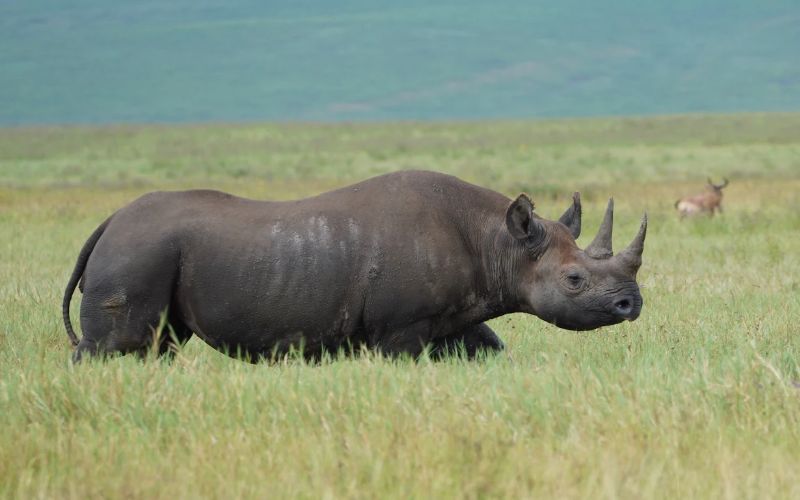
For those familiar with it, the Ngorongoro Conservation Area conjures up images of a giant wildlife-filled volcanic caldera, where the ‘big five’ and many other animals roam. But there's more to the area than this. The Ngorongoro Conservation Area also encompasses mountains, lakes, forests and wide-open African plains. It contains several globally significant archaeological sites.The Ngorongoro Conservation Area covers an area of 8300 sq km, with a deep volcanic crater at its centre, the largest unbroken caldera in the world. The crater is undoubtedly the ‘jewel in the crown’ - an area that is about 300 sq km in area, 600 metres deep and 20 km wide. The rim of the crater is an astounding 2286 metres above sea level. The floor contains a small soda lake called Lake Magadi and it is estimated that around 30000 animals live in the crater, making it the most intensive safari wildlife viewing area on earth.This African wildlife area was previously part of the Serengeti National Park, but due to the needs of the local Maasai who have been living in the area for hundreds of years, the area was reclassified as a conservation area. It is a great example of a protected area that allows for ongoing, sustainable human use. The local Maasai live in harmony with the wildlife and the environment and have grazing rights in the crater.
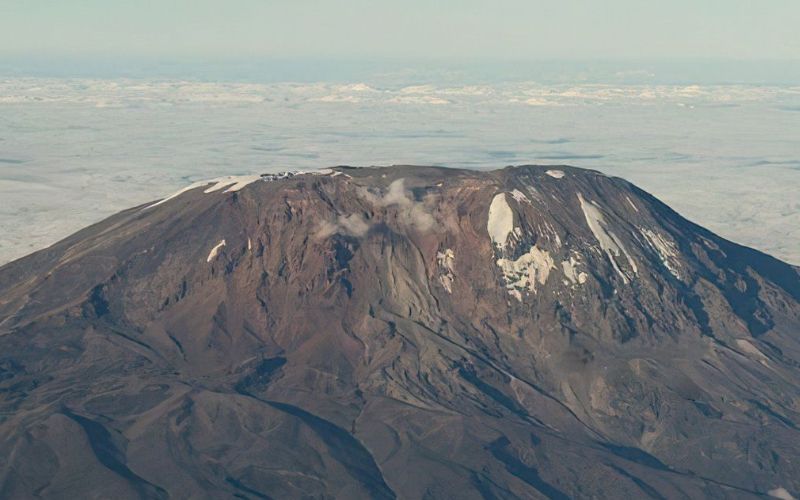
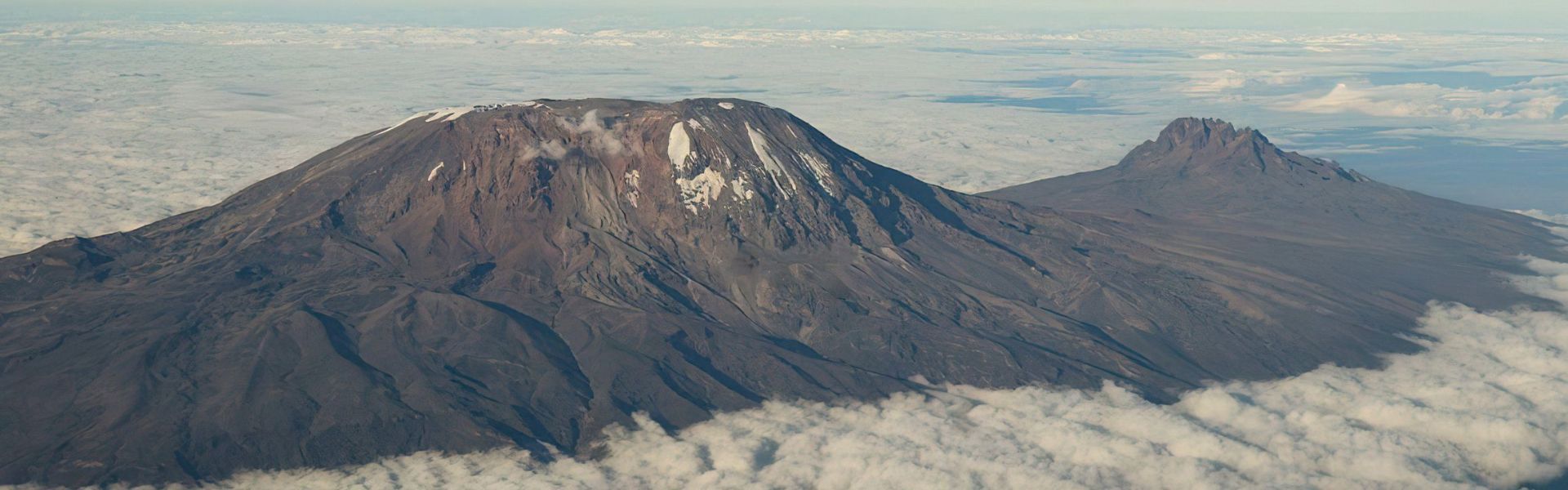
Kilimanjaro. The name itself is a mystery wreathed in clouds. It might mean Mountain of Light, Mountain of Greatness or Mountain of Caravans. Or it might not. The local people, the Wachagga, don't even have a name for the whole massif, only Kipoo (now known as Kibo) for the familiar snowy peak that stands imperious, overseer of the continent, and the summit of Africa.Kilimanjaro, by any name, is a metaphor for the compelling beauty of East Africa. When you see it, you understand why. Not only is this the highest peak on the African continent; it is also the tallest free-standing mountain in the world, rising in breathtaking isolation from the surrounding coastal scrubland – elevation around 900 metres – to an imperious 5,895 metres (19,336 feet).Kilimanjaro is one of the world's most accessible high summits, a beacon for visitors from around the world. Most climbers reach the crater rim with little more than a walking stick, proper clothing and determination. And those who reach Uhuru Point, the actual summit, or Gillman's Point on the lip of the crater, will have earned their climbing certificates. And their memories.But there is so much more to Kili than her summit. The ascent of the slopes is a virtual climatic world tour, from the tropics to the Arctic.Even before you cross the national park boundary (at the 2,700m contour), the cultivated foot slopes give way to lush montane forest, inhabited by elusive elephant, leopard, buffalo, the endangered Abbot’s duiker, and other small antelope and primates. Higher still lies the moorland zone, where a cover of giant heather is studded with otherworldly giant lobelias.Above 4,000m, a surreal alpine desert supports little life other than a few hardy mosses and lichen. Then, finally, the last vestigial vegetation gives way to a winter wonderland of ice and snow – and the magnificent beauty of the roof of the continent.
Latest Safari News & Insights
New Bird Species Discovered in Selous Game Reserve
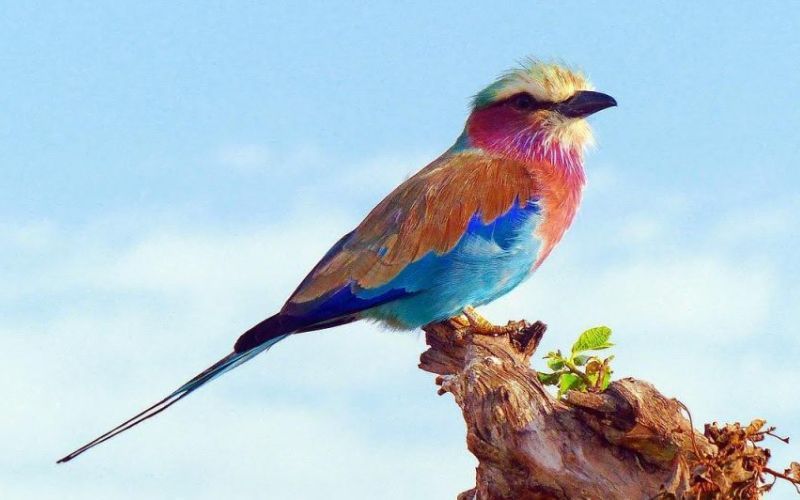
A team of Tanzanian and international ornithologists has identified a previously unknown bird species in the Selous Game Reserve—a vibrant sunbird with iridescent blue and yellow plumage. Dubbed the "Selous Sunbird" (Cinnyris selousensis), the discovery underscores the reserve’s status as a biodiversity hotspot."Finding a new vertebrate species in this day and age is extraordinary," said Dr. Amina Rajab, the expedition’s lead scientist. "It shows how much we still have to learn about Selous."The bird was first spotted near the Rufiji River, an area with rich avian diversity but relatively understudied due to its remote location. Researchers are now working to assess its population size and habitat needs. Conservationists hope the discovery will bolster efforts to protect Selous from proposed industrial projects, including hydropower dams."This little bird could be a flagship for conservation," said wildlife photographer Rajiv Gupta, who captured the first clear images of the species.
Tarangire National Park Expands Elephant Protection Zones
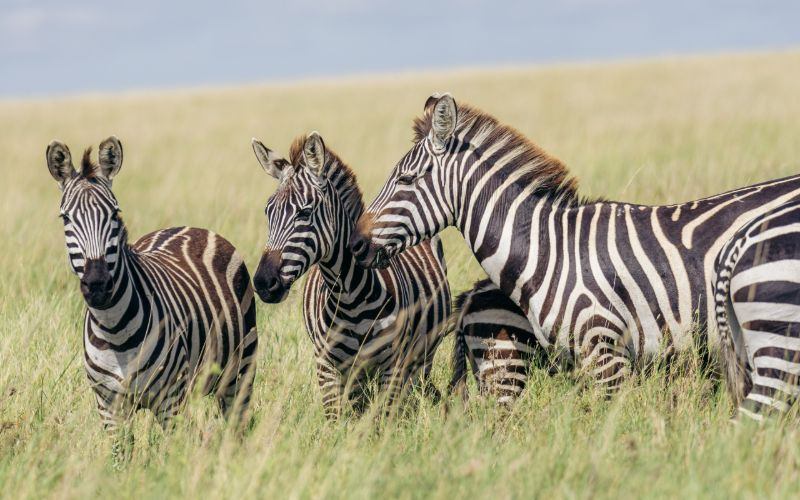
Tarangire National Park, renowned for its massive elephant herds, has announced the expansion of its protected zones to reduce escalating human-wildlife conflicts. The new measures include a 20% increase in ranger patrols, the installation of beehive fences to deter crop-raiding elephants, and community workshops on coexistence strategies."Elephants are vital to Tarangire’s ecosystem, but their movements sometimes clash with farmers," explained park ecologist Dr. Sarah Mboya. "By creating buffer zones, we can minimize these encounters."The park, home to over 3,000 elephants, has seen a rise in incidents where the animals stray into nearby villages, destroying crops and endangering lives. The expanded protection plan, funded in part by international conservation groups, also includes GPS collaring for key matriarchs to monitor herd movements.Local communities have cautiously welcomed the initiative. "We need solutions that protect both our livelihoods and the elephants," said farmer Joseph Lemunge.
Rare Black Rhino Spotted in Ngorongoro Conservation Area
In an exciting development for conservationists, a rare black rhinoceros was recently photographed in the Ngorongoro Crater—only the fifth confirmed sighting in the past three years. The critically endangered species, once on the brink of extinction due to poaching, has been slowly recovering thanks to rigorous protection efforts."This individual appears healthy and well-fed, which is a great sign," said Dr. Paul Ndungu, a rhino specialist with the African Wildlife Foundation. "Ngorongoro’s rangers have done an incredible job keeping poachers at bay."The black rhino population in Tanzania was nearly wiped out in the 1980s, but recent years have seen cautious optimism. The Ngorongoro Conservation Area Authority (NCAA) has deployed 24/7 armed patrols and drone surveillance to protect the remaining animals. Tourism officials hope this sighting will draw more visitors to the region, where rhino-tracking tours contribute to conservation funding.However, challenges remain. Habitat loss and human encroachment continue to threaten the species. "Every rhino counts," said NCAA spokesperson Neema Kileo. "We must ensure they have a safe future."